Exploring the Logistics: How Bulk Trucking Can Optimize Your Supply Chain
Bulk trucking has developed into an essential factor in modern supply chain logistics. By moving large quantities of goods in a loose form, it delivers both economic efficiency and lowered handling risks. However, businesses must evaluate numerous factors before implementing this service into their logistics strategy. Comprehending the nuances of bulk trucking can result in considerable improvements. What essential factors should companies analyze to secure successful implementation?
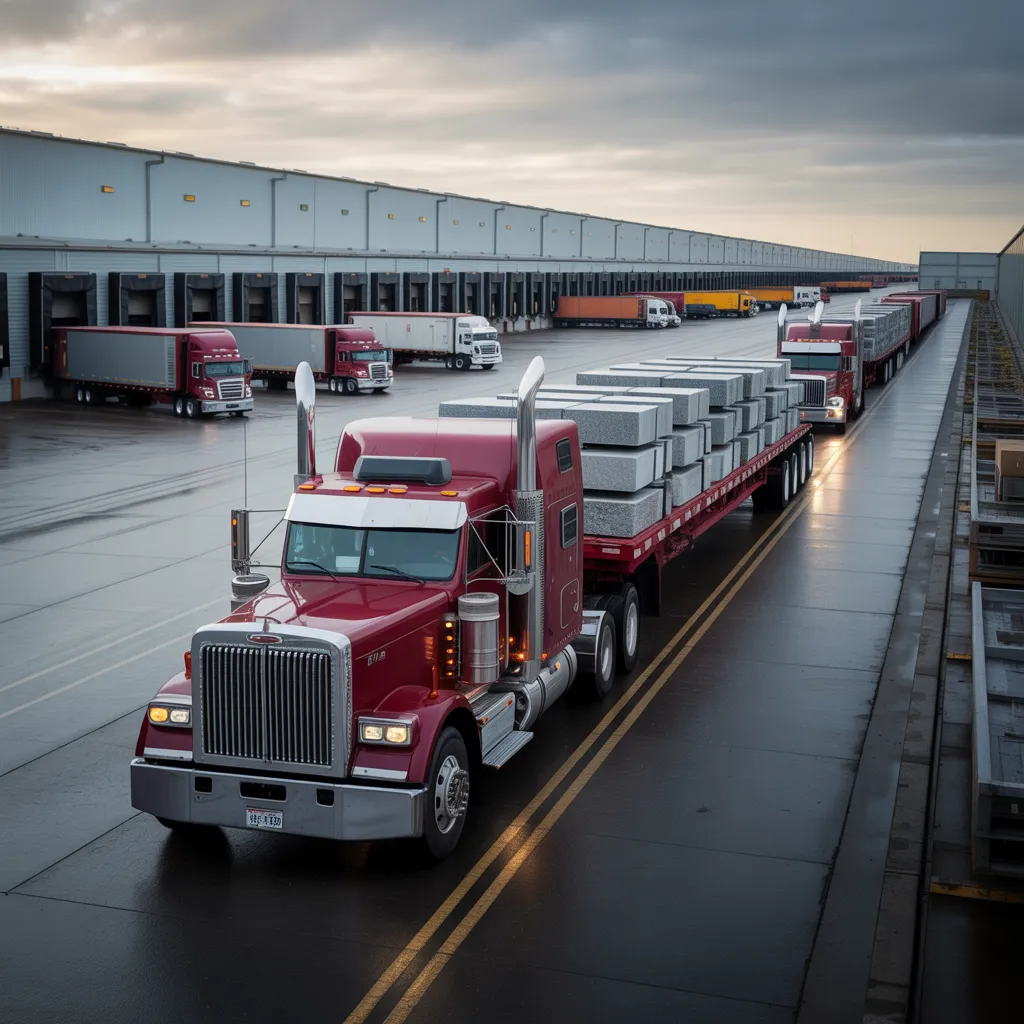
What Is Bulk Trucking and How Does It Work?
Bulk trucking refers to the transportation of substantial volumes of goods, typically in bulk form, using dedicated trucks designed for this specific task. This method is commonly employed for materials such as grains, chemicals, and aggregates, which are usually moved in bulk tankers or dump trucks. The process begins with loading the goods into these vehicles at a distribution center or processing center. Once loaded, the bulk trucks follow designated routes to deliver the cargo to multiple locations, including warehouses or manufacturing facilities.
The operation involves meticulous planning to guarantee efficient routing and adherence to safety regulations. Bulk trucking relies on the coordination of logistics, including scheduling and communication between suppliers and transporters. Additionally, the specialized vehicles are equipped with features that facilitate unloading, such as pneumatic systems or tipping mechanisms. In summary, mass transportation plays an essential function in the logistics network, offering an economical method for transferring large volumes of materials effectively.
Essential Advantages of Bulk Trucking for Your Supply Chain
Optimizing supply chains depends significantly on transportation efficiency, and bulk trucking provides several advantages in this regard. One of the key benefits is cost-effectiveness; transporting goods in bulk lowers per-unit shipping costs, making it a financially viable option for businesses. Furthermore, bulk trucking facilitates higher load capacities, which decreases the frequency of trips and optimizes resource utilization.
In addition, bulk trucking increases delivery speed, as fewer trips mean quicker turnaround times. This efficiency can lead to improved inventory management and reduced storage costs. In the same way, the streamlined process of bulk trucking often leads to enhanced reliability, as fewer handling points decrease the likelihood of damage or delays.
Lastly, bulk trucking contributes to environmental sustainability by decreasing the carbon footprint linked to multiple smaller shipments. Collectively, these strengths position bulk trucking as a strategic asset for companies looking to optimize their supply chains.
Essential Criteria for Selecting Bulk Trucking Services
In selecting bulk trucking services, companies must examine various essential criteria to secure efficient logistics. Key factors include the service provider's experience and expertise, fleet capacity and flexibility, along with adherence to safety standards and compliance regulations. These components are important in assessing the reliability and efficiency of bulk transportation solutions.
Knowledge and Proficiency
Choosing the right bulk trucking service depends significantly on the experience and expertise of the provider. An experienced trucking company typically demonstrates a solid understanding of industry regulations, safety standards, and efficient routing strategies. This knowledge not only ensures compliance but also boosts reliability in service delivery. Expertise in handling specific types of bulk materials, whether hazardous or non-hazardous, is vital, as it affects both safety and operational efficiency. Additionally, seasoned providers often have established relationships with suppliers and customers, promoting smoother logistics and communication. Examining a provider's track record, client testimonials, and industry certifications can offer valuable insights into their competence. In the end, choosing a provider with proven experience and expertise significantly contributes to an efficient supply chain.
Fleet Capacity and Flexibility
Fleet capacity along with flexibility stand as key factors in the selection of bulk trucking services. A established fleet should feature the means to handle varying volumes of goods, confirming that businesses can handle fluctuating demand without delays. Flexibility in route planning and scheduling further strengthens a service provider's value, facilitating quick adjustments in response to unforeseen circumstances. This adaptability is critical for sustaining supply chain efficiency and preventing disruptions. Furthermore, a diverse fleet designed for different types of bulk materials facilitates companies to partner with providers that can fulfill specific logistical needs. Essentially, evaluating fleet capacity and flexibility enables businesses pick bulk trucking services that match their operational goals and support streamlined supply chain management.
Safety Regulations and Standards Compliance
Guaranteeing safety standards and compliance is crucial for businesses seeking reliable bulk trucking services, as these factors substantially impact operational integrity and risk management. Companies must prioritize carriers that follow federal and state regulations, including those mandated by the Department of Transportation (DOT) and the Occupational Safety and Health Administration (OSHA). Compliance with these regulations not only minimizes legal risks but also encourages a culture of safety within the organization. In addition, businesses should examine a trucking company's safety record, including accident history and maintenance practices. Regular training programs for drivers on safety protocols and industry standards are essential. By selecting bulk trucking services that stress safety and compliance, businesses can enhance their supply chain efficiency while reducing potential liabilities.
Adding Bulk Trucking Into Your Logistics Strategy
Implementing bulk trucking into a logistics strategy necessitates a careful assessment of transportation needs to secure efficiency and cost-effectiveness. Selecting the right copyright is essential, as it directly influences service quality and reliability. Moreover, optimizing delivery schedules can enhance overall supply chain performance, contributing to improved customer satisfaction.
Assessing Transportation Requirements
What methods can companies use to evaluate their transportation requirements for integrating bulk trucking into their logistics approach? Initially, they need to examine the volume and type of goods to be transported, determining whether bulk trucking is a appropriate mode. Reviewing current supply chain processes enables identify inefficiencies and areas where bulk trucking could boost performance. In addition, businesses should consider their delivery timelines and destination requirements, as these factors influence the feasibility of bulk transportation. Engaging stakeholders across departments secures a complete understanding of logistical demands. In conclusion, cost-benefit analyses evaluating bulk trucking with existing transportation methods can reveal potential savings and operational improvements, directing businesses in making informed decisions about integrating bulk trucking into their overall logistics strategy.
Selecting The Right copyright
Following the evaluation of transportation needs, identifying the right copyright is vital for businesses aiming to incorporate bulk trucking into their logistics strategy. The ideal copyright should have experience in handling bulk materials, making certain they adhere to safety regulations and industry standards. Businesses must evaluate the copyright's capacity, reliability, and service area to ensure compatibility with their operational requirements. In addition, examining the copyright's equipment and technology can give insights into their efficiency and ability to track shipments. Establishing transparent communication regarding pricing structures and service expectations is also essential. Eventually, a wisely chosen copyright not only optimizes the logistics process but also improves overall supply chain performance, encouraging long-term partnerships that support business find the information success.
Optimizing Shipment Schedules
When businesses prioritize efficiency in their supply chain, delivery schedule optimization becomes crucial for properly implementing bulk trucking into their logistics approach. Proper scheduling reduces delays, cuts transportation costs, and improves service reliability. By evaluating demand patterns and aligning delivery windows with production schedules, companies can ensure that bulk truck shipments arrive precisely when needed. Leveraging technology, such as route optimization software, can more effectively enhance operations by identifying the most efficient routes and times for delivery. Additionally, maintaining clear communication with carriers enables real-time adjustments, managing any unforeseen challenges. Finally, a well-optimized delivery schedule not only improves operational efficiency but also results in improved customer satisfaction and a more robust supply chain.
Encountering Issues with Bulk Trucking? Here's Your Solution Guide
Handling the complexities of bulk trucking introduces a variety of challenges that can hinder effectiveness and profitability. Critical problems include volatile fuel prices, regulatory compliance, and vehicle maintenance. To tackle changing fuel costs, companies can implement fuel management programs and negotiate bulk fuel purchasing agreements. Regulatory compliance can be tackled through routine training for drivers and investment in technology that monitors adherence to regulations.
Maintaining vehicles is essential; establishing a proactive maintenance schedule can avert costly breakdowns and downtime. Moreover, companies should prioritize optimizing routes using advanced logistics software, which can aid in mitigate delays and reduce operational costs. Furthermore, developing strong relationships with reliable carriers guarantees a more resilient supply chain. By effectively addressing these challenges, businesses can strengthen their bulk trucking operations, ultimately producing improved efficiency and profitability.
Bulk Trucking vs. Other Freight Options: A Comparison
The intricacies present in bulk trucking underscore the need for companies to examine their freight options carefully. Bulk trucking delivers a distinct advantage in cost efficiency, especially for large shipments of raw materials or products. Its capacity to transport substantial volumes in a single trip reduces per-unit shipping costs, making it attractive for companies with high-volume needs.
On the other hand, different freight options, including less-than-truckload (LTL) shipping, are often more suitable for smaller shipments, offering flexibility and faster transit times. However, LTL can lead to higher expenses per unit and longer delivery windows as a result of multiple stops along the route.
Furthermore, intermodal options, while offering adaptability and possibly lower emissions, may involve longer transit times and handling risks. In the end, companies must consider the benefits of bulk trucking against these alternatives, considering their unique supply chain requirements and logistical issues.
Real-World Examples: Businesses Flourishing Using Bulk Trucking
Although numerous firms encounter issues in logistics, many have efficiently utilized bulk trucking to enhance their operations and reduce costs. For example, a prominent agricultural company strengthened its supply chain performance by employing bulk trucking to haul grains from farms to processing centers. This strategy not only cut transportation costs but also lessened spoilage by guaranteeing faster delivery.
In the same way, a major chemical manufacturing company implemented bulk trucking for its raw materials, resulting in substantial savings on packaging and handling. The streamlined process allowed for enhanced inventory management and reduced lead times.
In addition, a beverage distributor utilized bulk trucking to consolidate shipments, which reduced fuel consumption and cut carbon emissions. This eco-friendly approach not only improved their corporate social responsibility profile but also drew in environmentally-conscious consumers. These examples highlight how bulk trucking can be a transformative strategy for companies looking to optimize their logistics and achieve sustainable growth.
FAQ
What Kinds of Products Are Most Suitable for Bulk Trucking?
Bulk truck transport is perfectly matched to goods such as grains, liquids, chemicals, and construction materials. Such goods utilize optimized hauling systems, lowering costs and maximizing delivery speed while guaranteeing safety and product integrity during transit.
In What Ways Does Bulk Trucking Shape Environmental Sustainability?
Bulk trucking has a positive effect on environmental sustainability by lowering per-unit emissions, improving fuel efficiency, and limiting the number of trips required for transportation. This consolidation of goods leads to less congestion and reduced overall carbon footprints.
What Insurance Do You Need for Bulk Trucking Operations?
Commercial bulk trucking necessitates liability insurance, cargo insurance, and sometimes additional coverage determined by the freight being hauled. Rules may vary by location, making necessary conformity with local laws to guarantee appropriate coverage for both haulers and shipments.
How Can I Track My Bulk Trucking Shipments Effectively?
To effectively track bulk trucking shipments, it's possible to leverage GPS technology, transportation management software, and real-time tracking systems. These systems deliver details on shipment location, estimated delivery times, and potential delays, ensuring efficient supply chain management.
What Are the Average Lead Times for Bulk Trucking Deliveries?
Standard lead times for bulk trucking deliveries extend from 24 hours to a few days, depending on distance, destination, and load type. Variables such as traffic and weather may also affect these delivery timelines considerably.